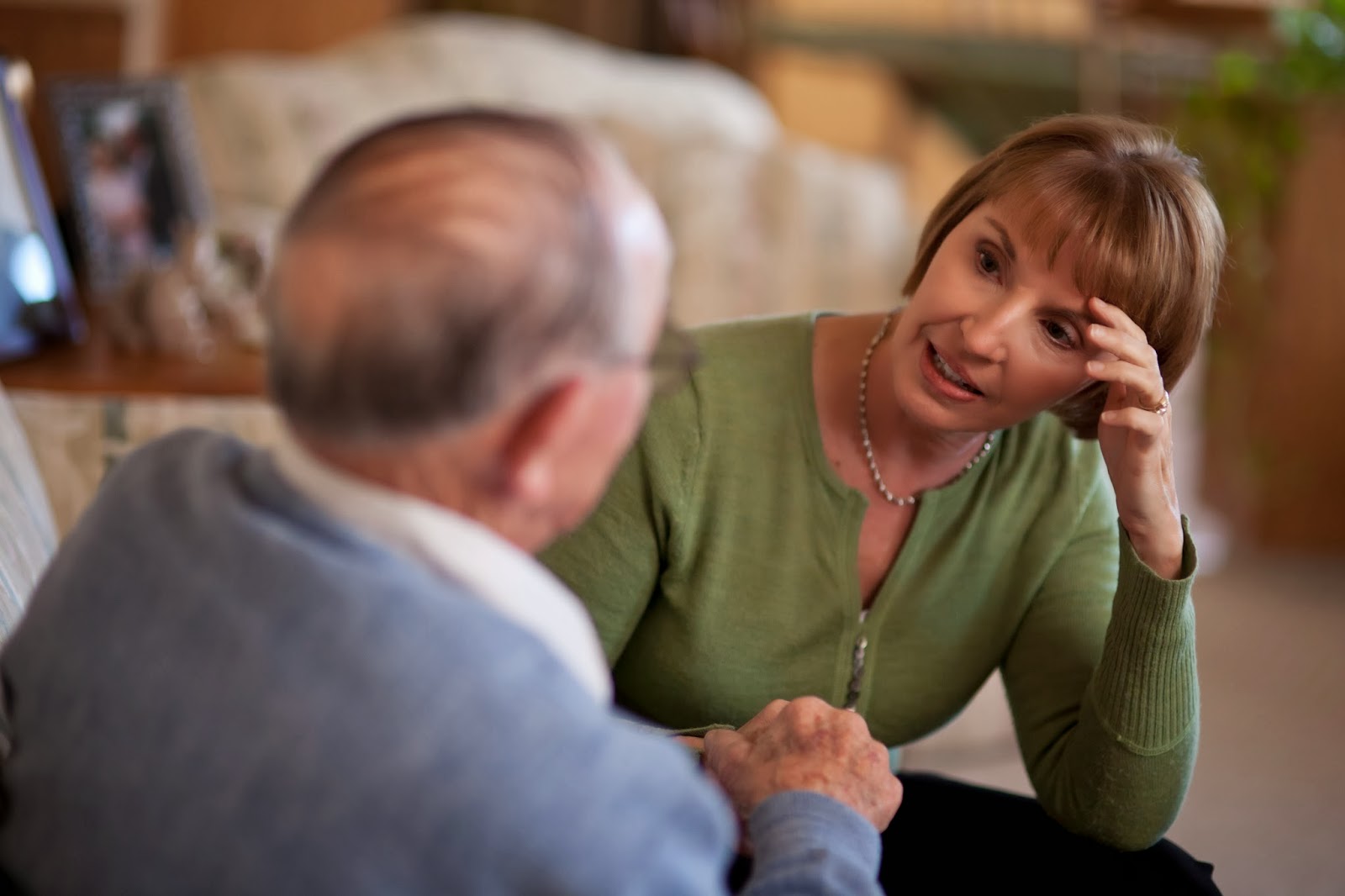
As it turns out, volunteering could provide more than personal satisfaction and perks to the community. The benefits of volunteering are much more personal, according to research from Carnegie Mellon University (“CMU”). The results show that the older adults studied who volunteered at least 200 hours per year decreased their risk of hypertension, or high blood pressure, by 40%.
The study, published by the American Psychological Association’s Psychology and Aging® journal, suggests that volunteer work may be an effective way to reduce dependency on medications. Hypertension affects an estimated 65 million Americans and is a major contributor to cardiovascular disease, the leading cause of death in the U.S. Six million Canadian adults, or one in five, have hypertension.
For the study, Rodlescia S. Sneed, a Ph.D. candidate in psychology in CMU’s Dietrich College of Humanities and Social Sciences and lead author of the study, and Carnegie Mellon’s Sheldon Cohen, studied 1,164 adults between ages 51 and 91 from across the U.S. The participants were interviewed twice, in 2006 and 2010, and all had normal blood pressure levels at the first interview. Volunteerism, various social and psychological factors, and blood pressure were measured each time.
The results showed that those who reported volunteering at least 200 hours per year during the initial interview were 40% less likely to develop hypertension than those who did not volunteer when evaluated four years later. The amount of time spent volunteering – and not the specific type of volunteer activity – appeared to be the primary factor that led to increased protection from hypertension.
“Participating in volunteer activities may provide older adults with social connections that they might not have otherwise,” Sneed said. “There is strong evidence that having good social connections promotes healthy aging and reduces risk for a number of negative health outcomes.”
Volunteering Could Reduce Hypertension Risk
Monday, January 20, 2014
Labels:
Alzheimer's,
Caregiver,
Clarks Summit,
Dementia,
Drugs,
Elder Care,
Grandparents,
help,
Home Care,
Home Instead Senior Care,
resources,
Scranton,
Senior Care,
Seniors,
Stroudsburg,
Tannersville
Dementia Caregivers Shouldn’t ‘Go it Alone’
Friday, January 17, 2014
An estimated 5.4
million people in the United States have Alzheimer's disease and other types of
dementia, and 70 percent are cared for in the community by family members and
friends, according to the Alzheimer’s Association. Many have mild to moderate
dementia.
Most people with
dementia who live at home have multiple unmet health and welfare needs, any
number of which could jeopardize their ability to remain home for as long as
they desire, new Johns Hopkins research suggests. The study also indicates that
identifying and treating depression in people with dementia and their
caregivers may enable them to address their other unmet needs.
“Currently, we
can’t cure their dementia, but we know there are things that, if done
systematically, can keep people with dementia at home longer,” says study
leader Betty S. Black, Ph.D., an associate professor of psychiatry and
behavioral sciences at the Johns Hopkins University School of Medicine.
Black and her colleagues performed
in-home assessments and surveys of 254 people with dementia living at home in
Baltimore and also interviewed 246 of their informal, non-professional
caregivers. They found that 99 percent of people with dementia and 97 percent
of their caregivers had one or more unmet needs.
Unmet needs fell into many
categories including safety, health, meaningful activities, legal issues and
estate planning, assistance with activities of daily living and medication
management, Black says.
Here are two important resources designed
to help caregivers like you: The book “Confidence to Care” is for family
caregivers providing care for Alzheimer’s disease or other dementias at home.
It’s easy to read and offers practical advice from experts and family
caregivers such as you.
The book provides insights into
understanding, managing and preventing actions associated with Alzheimer’s
disease and dementia. What’s more, a free mobile phone app based on content
from the book provides more than 500 searchable tips and solutions for family
caregivers. For more information about these tools, go to
HelpforAlzheimersFamilies.com.
Don’t “go it alone.” Contact your
local Home Instead Senior Care® office to learn how a CAREGiverSM
could provide you and your family with support.
For more about the study,
visit http://www.hopkinsmedicine.org/news/media/releases/living_at_home_with_dementia.
Labels:
Alzheimer's,
Caregiver,
Clarks Summit,
Dementia,
Elder Care,
help,
Home Care,
Home Instead Senior Care,
resources,
Scranton,
Senior Care,
Seniors,
Tannersville
Stressed? Research Links Anxiety to Stroke Risk
Thursday, January 16, 2014
The greater the
anxiety level, the higher the risk of having a stroke, according to new
research published in the American Heart Association journal Stroke. And
heart disease patients who suffer anxiety have twice the risk of dying. What’s
worse, heart patients with both anxiety and depression have triple the
risk of dying, researchers said, in the Journal of the American Heart
Association published earlier this year.
The stroke study is
reported to be the first in which researchers linked anxiety and stroke
independent of other factors such as depression. Anxiety disorders are one of
the most prevalent mental health problems. Symptoms include feeling unusually
worried, stressed, nervous or tense.
The study found that people in the
highest third of anxiety symptoms had a 33 percent higher stroke risk than
those with the lowest levels.
“Everyone has some anxiety now and
then. But when it’s elevated and/or chronic, it may have an effect on your health
years down the road,” said Maya Lambiase, Ph.D., study author and
cardiovascular behavioral medicine researcher in the Department of Psychiatry
at the University of Pittsburgh School of Medicine, in Pittsburgh, Penn.
Ask your
mother’s doctor to put together a plan for her that could encompass her health
and well-being. She might also benefit from a little extra companionship,
particularly during the times when you are unable to be with her. Why not
suggest she check out a senior center? Most communities have these centers that
provide both mealtime activities and companionship. Or consider a
non-medical caregiving companion, such as one from Home Instead Senior Care®.
Labels:
Alzheimer's,
Caregiver,
Clarks Summit,
Elder Care,
Grandparents,
Home Instead Senior Care,
Scranton,
Seniors,
Stroke,
Stroudsburg,
Tannersville
The Search is on for Northeast Pennsylvania’s Outstanding Senior Volunteer
Monday, January 13, 2014
Every day, Northeast Pennsylvania senior volunteers generously give their time and service to help
others. Now here’s your chance to
give back by nominating a deserving older adult in your community for his or
her outstanding service through the Salute to Senior Service®
program.
Sponsored by Home Instead, Inc., the franchisor of the Home
Instead Senior Care® network, Salute
to Senior Service recognizes the invaluable contributions of adults age 65
and older who give at least 15 hours a month of volunteer service to their
favorite causes.
“Seniors have so much to give and make a positive impact on
our communities daily,” said Robert Vielee, owner of
the Home Instead Senior Care office serving Lackawanna , Monroe, Pike, Wayne and
Wyoming counties.
“Senior volunteerism not only benefits others, but also helps seniors stay
active and socially engaged in their communities – important elements of
healthy aging.”
Members of the community are asked to nominate and vote for
these everyday heroes between Jan. 15 and March 1, 2014, at
SalutetoSeniorService.com. State winners will be determined by popular vote. A
panel of senior care experts will then select a national Salute to Senior Service winner from among the state honorees.
Home Instead, Inc. will donate $500
to each of the state winners’ designated and approved nonprofit organizations,
and their personal stories will be shared online on the Salute to Senior Service Wall of Fame. In addition, $5,000 will be
donated to the national winner’s designated and approved nonprofit charity.
To complete and submit an online
nomination form for a senior age 65 or older who volunteers at least 15 hours a
month, and to view the contest’s official rules, visit
SalutetoSeniorService.com. Completed nomination forms can alternatively be
mailed to Salute to Senior Service, P.O. Box 285, Bellevue, NE 68005.
For more information about Salute to Senior Service or the Home
Instead Senior Care network’s services, call your local Home Instead Senior
Care at 570-586-3135
or 570-687-4755.
Labels:
Caregiver,
Clarks Summit,
Elder Care,
Grandparents,
Home Care,
Home Instead Senior Care,
Scranton,
Senior Care,
Seniors
Enrich Seniors by Helping Them Give Back
By Lisa Ost-Beikmann, Education Outreach Trustee for the National Association of Activity Professionals (NAAP) and Donna Calvo, also an NAAP member and Recreational Coordinator at Selkirk Place, a long term residential care community in Victoria, British Columbia.
CaregiverStress.com® newsletter talked with these two North American activity professionals about the challenges seniors can face in staying active and the importance of volunteerism and giving back. To learn more about “give-back” activity resource sheets, which provide seniors, caregivers and care community professionals ideas to keep older adults giving back, go to SalutetoSeniorService.com.
Q. Do you think it’s still important for seniors to give
back to society or their broader community and,
if so, why?
A. Lisa Ost-Beikmann: Absolutely! You know the
saying, “Everybody needs to be needed.” They
need to feel they have a lot to give back. When I
worked in a care community, I allowed both men
and women to peel potatoes. Some organized
silverware, set tables and folded laundry. I kept
them as involved as I could doing what they were
used to doing at home so they felt they were still
part of a home setting. People will deteriorate
physically, mentally and emotionally if they don’t
feel there’s a need for them.
Q. What challenges do you think seniors in care
communities can face in staying active?
A. Donna Calvo: Communities don’t always know
how to engage seniors living in care communities
or those who are isolated and frail at home, and
get them out doing what they’ve always enjoyed.
It’s important to realize that these older adults have
a wealth of experience to share. They may need
help, but they can still be at functions greeting, for
instance, even if they need to sit. It’s important
to their self-esteem and self-respect, and helps
prevent isolation, which can lead to depression.
Q. Do you think more seniors would engage in
volunteerism if they had help?
A. Lisa Ost-Beikmann: Yes. We need to encourage
seniors and make them feel confident about their
ability to give back. Simply providing transportation
to that older loved one or helping him or her write
letters could mean so much.
Q. What benefits might seniors realize with additional
assistance?
A. Donna Calvo: There are many. First, we’re going
to raise self-esteem, improve social interaction
and possibly reduce doctor visits. We might even
discover that seniors are feeling more fulfilled with
their lives.
CaregiverStress.com® newsletter talked with these two North American activity professionals about the challenges seniors can face in staying active and the importance of volunteerism and giving back. To learn more about “give-back” activity resource sheets, which provide seniors, caregivers and care community professionals ideas to keep older adults giving back, go to SalutetoSeniorService.com.
Q. Do you think it’s still important for seniors to give
back to society or their broader community and,
if so, why?
A. Lisa Ost-Beikmann: Absolutely! You know the
saying, “Everybody needs to be needed.” They
need to feel they have a lot to give back. When I
worked in a care community, I allowed both men
and women to peel potatoes. Some organized
silverware, set tables and folded laundry. I kept
them as involved as I could doing what they were
used to doing at home so they felt they were still
part of a home setting. People will deteriorate
physically, mentally and emotionally if they don’t
feel there’s a need for them.
Q. What challenges do you think seniors in care
communities can face in staying active?
A. Donna Calvo: Communities don’t always know
how to engage seniors living in care communities
or those who are isolated and frail at home, and
get them out doing what they’ve always enjoyed.
It’s important to realize that these older adults have
a wealth of experience to share. They may need
help, but they can still be at functions greeting, for
instance, even if they need to sit. It’s important
to their self-esteem and self-respect, and helps
prevent isolation, which can lead to depression.
Q. Do you think more seniors would engage in
volunteerism if they had help?
A. Lisa Ost-Beikmann: Yes. We need to encourage
seniors and make them feel confident about their
ability to give back. Simply providing transportation
to that older loved one or helping him or her write
letters could mean so much.
Q. What benefits might seniors realize with additional
assistance?
A. Donna Calvo: There are many. First, we’re going
to raise self-esteem, improve social interaction
and possibly reduce doctor visits. We might even
discover that seniors are feeling more fulfilled with
their lives.
Labels:
Alzheimer's,
Caregiver,
Clarks Summit,
Elder Care,
Home Care,
Home Instead Senior Care,
Scranton,
Senior Care,
Seniors,
Stroudsburg,
Tannersville
Use It or Lose It
Saturday, January 4, 2014
When
it comes to how the mind ages, research is increasingly giving new meaning to
the popular phrase “use it or lose it”. Mind games keep many aging minds young
and vital. So what are today’s seniors
doing to keep mentally fit? Many have
said goodbye to traditional games such as bingo. They’re embracing new
technology and gravitating to video games and group activities such as Scrabble® and bridge tournaments.
According to the latest research, it all helps.
- A 2013 study from Brigham
and Women’s Hospital Department of Neurology provides specific scientific
evidence supporting the concept that prolonged and intensive stimulation
by an enriched environment, especially regular exposure to new activities,
may have beneficial effects in delaying one of the key negative factors in
Alzheimer's disease.1
·
2012 research reported in JAMA
Neurology found that people who engage in mentally stimulating activities
throughout life – especially in early and mid-life – have less buildup of
beta-amyloid protein in their brains in older age. (Beta-amyloid is the main
component of the sticky brain-clogging plaques that are a hallmark of
Alzheimer’s disease.)2
One
deterrent for many seniors who would like to stay mentally active is lack of
companionship – particularly for those older adults who live alone. Sometimes
seniors just need a little encouragement from family and friends to help them
pursue interests that can keep their minds stimulated.
From a scientific standpoint, multiple factors apparently
contribute to a sluggish senior mind, said Ronald Petersen M.D. Ph.D., director
of the Mayo Clinic Alzheimer’s Disease Research Center. In his words, “There is
often a genetic component, but the environment plays a role as well. The cumulative
impacts of medical issues such as vascular changes like hardening of the
arteries also contribute to dementia.” He also pointed out that, “The
connections between the nerve cells probably also don’t work as well.”
On the other hand, Petersen observes, the wisdom and acquired
experience seniors bring to the table is often under-valued in society. That’s
why exercising the mind as well as the body is such an important goal for older
adults.
“Whether it’s a computer
game, crossword or Sudoku puzzles, or reading and analyzing a newspaper or
magazine, first and foremost seniors should like what they’re doing,” Petersen
said. “If the
senior does not enjoy the activity, then it is not as likely to be beneficial.”
- The Science Behind an Active Mind
and Alzheimer’s Disease; Brigham and Women’s Hospital Department of
Neurology; http://www.brighamandwomens.org/about_bwh/publicaffairs/news/publications/DisplayCRN.aspx?articleid=2143
- Association of Lifetime Cognitive Engagement and Low β-Amyloid Deposition; May 2012; http://archneur.jamanetwork.com/article.aspx?articleid=1149704; JAMA Neurology
Tips for
Mind-Stimulating Fun
Following,
from Home Instead Senior Care®, are ways to help engage a senior
loved one in mind-stimulating activities:
Video action. Interactive video games have
become popular for family members of all ages. Some games, such as Nintendo’s Brain Age, and the Wii home video game system,
are particularly good for stimulating seniors’ minds.
Computer savvy not needed. Even seniors who are
intimidated by the computer still can play online and other computer games. Why
not try to help them get started playing Solitaire or joining an online bridge
game?
Organize game night. Board or card games offer a
great avenue for mind stimulation. Why
not encourage a senior loved one to get a few friends together to join in the
fun?
The magic of music. Many seniors were avid
musicians in earlier years and some may still have pianos or instruments in
their homes. Ask them to play you a tune or challenge them to learn an
instrument.
Tournament fun. Bridge and Scrabble tournaments
for seniors are springing up around the country. Check with your local senior
center or Home Instead Senior Care office to learn of any activities in your
area. Or encourage your older adult to join a local bridge group.
Think big. Crossword, large-piece jigsaw
and Sudoku puzzles are great pastimes for seniors who need a mind-stimulating
activity when they are alone.
Out and about. Most communities have concerts,
lectures and other pursuits that can interest seniors and their families. If
your loved one is able to get out, consider those.
In
the news. Many
seniors maintain their interest in politics and current events. For their next
birthday, why not renew a subscription to a newspaper or popular news magazine.
Or organize a news discussion group.
Just
the two of you. When
it’s just you and your senior loved one, remember there are more things you can
do than watch television. Games like Monopoly Express, Scrabble
Express and Sorry Express don’t take long to play.
Labels:
Alzheimer's,
Caregiver,
Clarks Summit,
Elder Care,
Home Instead Senior Care,
Preventive Care,
Scranton,
Senior Care,
Seniors,
Stroudsburg,
Tannersville
Look-and-See Signs a Senior Needs Help
Thursday, January 2, 2014
What today’s seniors want most is to age in place. But what they’re least likely to ask for is the kind of help that will keep them comfortable and safe at home. That’s why it’s often up to the adult children of aging parents to look for the signs that their older loved one needs help at home. Neglecting those signs will likely lead seniors to the kind of dependence that most would like to avoid.
“Seniors
often don’t recognize when they require help,” said Robert Vielee, owner of the
Home Instead Senior Care® office serving Northeast Pennsylvania and
the Greater Poconos. “That’s why adult
children should identify where their loved ones need assistance.
Home
Instead Senior Care has made this process easier by providing a list of simple,
look-and-see signs that adult children can use to identify the types of
services their senior might need. Providing assistance with a few basic tasks –
such as meal preparation, light housekeeping, companionship and medication
reminders – often means the difference between whether they stay at home or go
to a care community. And that kind of independence is very important to
seniors’ overall happiness.”
Seniors’
expectations for remaining at home are high. Industry studies typically show
that as many as 90 percent of seniors want to age in place in their own homes. The
Home Instead Senior Care network, the largest provider of at-home care and
companionship for aging adults in the U.S., sends CAREGiversSM to seniors to help keep them
independent and at home for as long as possible.
“Most people, in general, want to live at
home or independently in a retirement community,” said Mary E. Hujer MSN
APRN, a board-certified geriatric clinical nurse specialist/instructor at
Southwest General Hospital’s Geriatric Services Center in Cleveland, Ohio. “Who
wants to lose their independence? The best approach to staying self-sufficient
is to plan ahead and accept help when necessary,” she noted.
“By
helping adult children identify the types of resources that a senior might need
to remain independent at home, we hope that families can avoid some of the
stress that goes with caring for an aging loved one,” Vielee said.
For
more information about Home Instead Senior Care, contact 570-586-3135 or visit
the company’s website at HomeInstead.com/nepa.
Look-and-See
Signs of Aging
- Look in refrigerator,
freezer and drawers. Has food
spoiled because Mom can’t get to the grocery store? Does she have
difficulty cleaning tight, cluttered places?
- Look over the grocery
list. Has your loved one’s declining health prompted her to purchase more
convenience and junk foods, and neglect proper nutrition? Is she losing weight?
- Look on top of furniture
and countertops. Are dust and dirt signs that household tasks are becoming
more difficult for your parents?
- Look up at fans and
ceilings. Has the inability to lift her arms and climb stepstools
prevented your loved one from cleaning soot and grime from high places? Caution
your senior not to climb.
- Look down at floors and
stairways. Have shaky hands spilled drinks and food, soiling vinyl, wood,
carpets and walkways? Are frayed carpets, throw rugs, objects and
furniture creating tripping hazards? Does Dad’s bad knee put him at
greater risk on cracked sidewalks and with broken stair rails?
- Look under beds and sofas.
Is your senior having difficulty organizing old newspapers, books and
magazines, which are creating a fire hazard?
- Look through the mail. Is Mom’s
dementia causing her to forget to pay bills and answer correspondence?
- Look below bathroom and
kitchen sinks. Is poor eyesight making it difficult for your elderly
relative to read medication labels and to properly store cleaning
materials? Is Dad forgetting to refill medications and to take them on
schedule? Check the refill date
against the number of pills in the bottle to help determine if he is
taking medication regularly. Or call the pharmacy.
- Look at your senior’s
appearance. Is clothing dirty and unkempt, and is your loved one neglecting
personal hygiene?
- Look to your parents’
neighbors and other close friends to learn about their daily routine. Are
your seniors at home more, watching television and avoiding stimulating
conversation and companionship?
Source: Home Instead Senior Care®, 2013
Labels:
Alzheimer's,
Caregiver,
Clarks Summit,
Dementia,
Elder Care,
Home Care,
Home Instead Senior Care,
Scranton,
Senior Care,
Seniors,
Stroudsburg,
Tannersville
Subscribe to:
Posts (Atom)